
Power Play
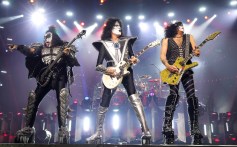
Gene Simmons stormed Capitol Hill with music performance royalty reform on his lips and fire in his tone. The KISS co-founder told a Senate Judiciary subcommittee that paying artists for over-the-air radio spins is not only fair, but patriotic. He called opposition to the American Music Fairness Act “un-American,” framing the debate as an overdue correction to a decades-old injustice.
Hearing Highlights
The session, titled “Balancing the Interests of Local Radio, Songwriters, and Performers in the Digital Age,” revisited a long-standing fault line. AMFA would compel broadcast radio to pay labels and performers for sound recording performances. Stations already license compositions through ASCAP and BMI and pay for digital uses, but terrestrial broadcasts remain exempt. Simmons, flanked by his family, stressed he does not need the money, yet younger artists do. He cast the bill as a lifeline for early-career musicians who cannot absorb unpaid exploitation.
Industry Crossfire
Inner Banks Media CEO Henry Hinton countered that local radio operates on thin margins. He detailed mounting fees, FCC costs, and competition from subscription platforms. Broadcasters, he argued, cannot pass costs to listeners as streamers can. Simmons parried, insisting “equitable” does not mean artists get zero while radio grosses billions. His rhetoric was theatrical, but his target precise: align compensation with value.
Policy Pressure
Lawmakers kept the heat on. Replicating 2024 House exchanges, Rep. Darrell Issa previously warned broadcasters that Congressional rates could be tougher than a negotiated deal. Sen. Marsha Blackburn pressed Hinton, saying his oldies station harms musicians by skipping performance royalties, citing Sam Moore’s “Soul Man.” Sen. Adam Schiff acknowledged radio’s financial strain, signaling room for compromise without abandoning reform.
Data Versus Dogma
SoundExchange chief Michael Huppe urged senators to ignore the “free promotion” defense. He argued that a performance right is not a tax but a standard business expense. His sharpest data point landed hard: 72% of radio spins are not current. That undermines claims of promotional value for new releases and strengthens the case for reforming music performance royalties.
Wider Stakes
The dispute mirrors broader music economics. Streaming normalized payments for recordings, while terrestrial radio remains an outlier in the United States. Global peers compensate on-air performers; America’s exemption looks increasingly archaic. A fairer system could channel modest revenue to working artists without crushing small stations, provided Congress calibrates rates and carves out exemptions.
Cultural Reckoning
Simmons’s patriotic framing reflects a shifting narrative. Paying creators is no longer a niche policy; it is cultural infrastructure. If AMFA advances, it could close a historic loophole and modernize radio’s social contract. For artists and audiences, music performance royalty reform promises a clearer alignment between what we hear and who gets paid.