
Shifting Alignments
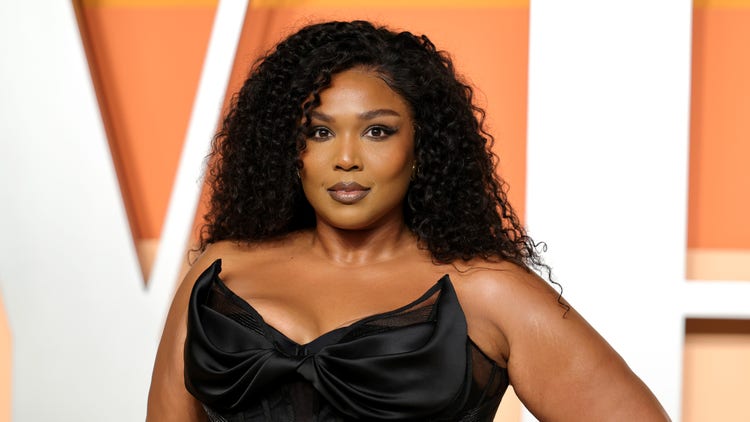
Lizzo’s candid remarks on celebrity politics in hip-hop frame a debate the industry can’t ignore. The artist responded to Nicki Minaj’s praise of Donald Trump at Turning Point USA’s AmericaFest, noting she was “not surprised” by the shift. Her stance suggests a growing class of stars seeing brand benefit in rightward pivots, where visibility and revenue intersect with ideological signaling. 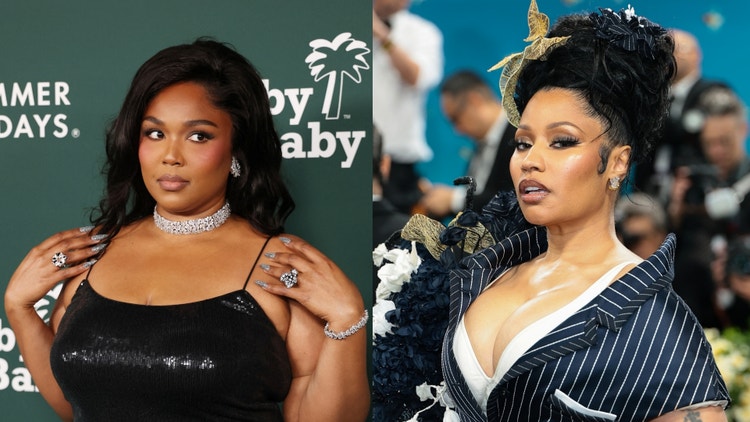
The Viral Spark
In a now-deleted TikTok, Lizzo stressed that celebrities weighing in on each other should not matter. Yet her analysis resonated because it centers on incentives, not personalities. She predicted an influx of artists “joining that side,” arguing that profitability and access drive many public positions. Her point lands amid Minaj’s onstage praise for Trump and Vice President JD Vance as “powerful men” who feel relatable.
Historical Context
This is not new, though the volume may grow. Hip-hop’s relationship with power has long been transactional, from White House visits to pardons. Kodak Black’s clemency under Trump and Kanye West’s high-profile proximity set a precedent. More recently, Soulja Boy, Nelly, and Rick Ross performed at January’s inaugural Crypto Ball, celebrating Trump’s return. Soulja Boy defended the booking plainly: they paid him, and that mattered.
First-Year Forecast
Lizzo flagged that it’s only Trump’s first year back in office, warning that more surprises are likely. Her argument links market logic to political alignment: there is money and privilege behind every move. That calculus mirrors broader media patterns where controversy fuels engagement, and engagement fuels checks. For celebrity politics in hip-hop, the next three years may test fan tolerance, brand partnerships, and touring markets. 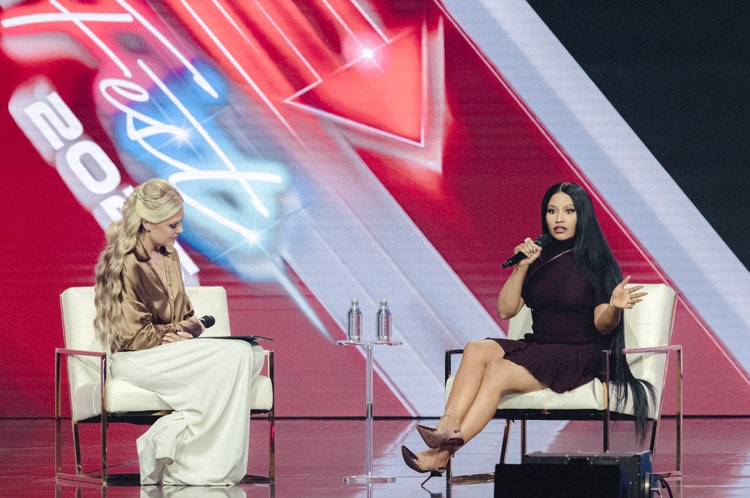
Identity And Incentive
Minaj told Erika Kirk she was “tired of being pushed around,” a line that doubles as both a populist message and a career posture. Relatability has become its own currency, and political theater is another stage. Lizzo’s skepticism spotlights a system where alignment can be branding, not belief, and where backlash is often priced in. The audience is left to decide what constitutes conviction and what constitutes conversion.
What Comes Next
If incentives rule, expect more strategic endorsements, event bookings, and algorithm-friendly controversy. Artists will test the boundary between community values and personal gain, and labels will follow the metrics. For music fans, disentangling art from affiliation grows harder. Yet accountability remains possible when audiences read beyond the headline and note who profits. That is the core of celebrity politics in hip-hop today, and its cultural stakes are only rising.