Surprise Stand
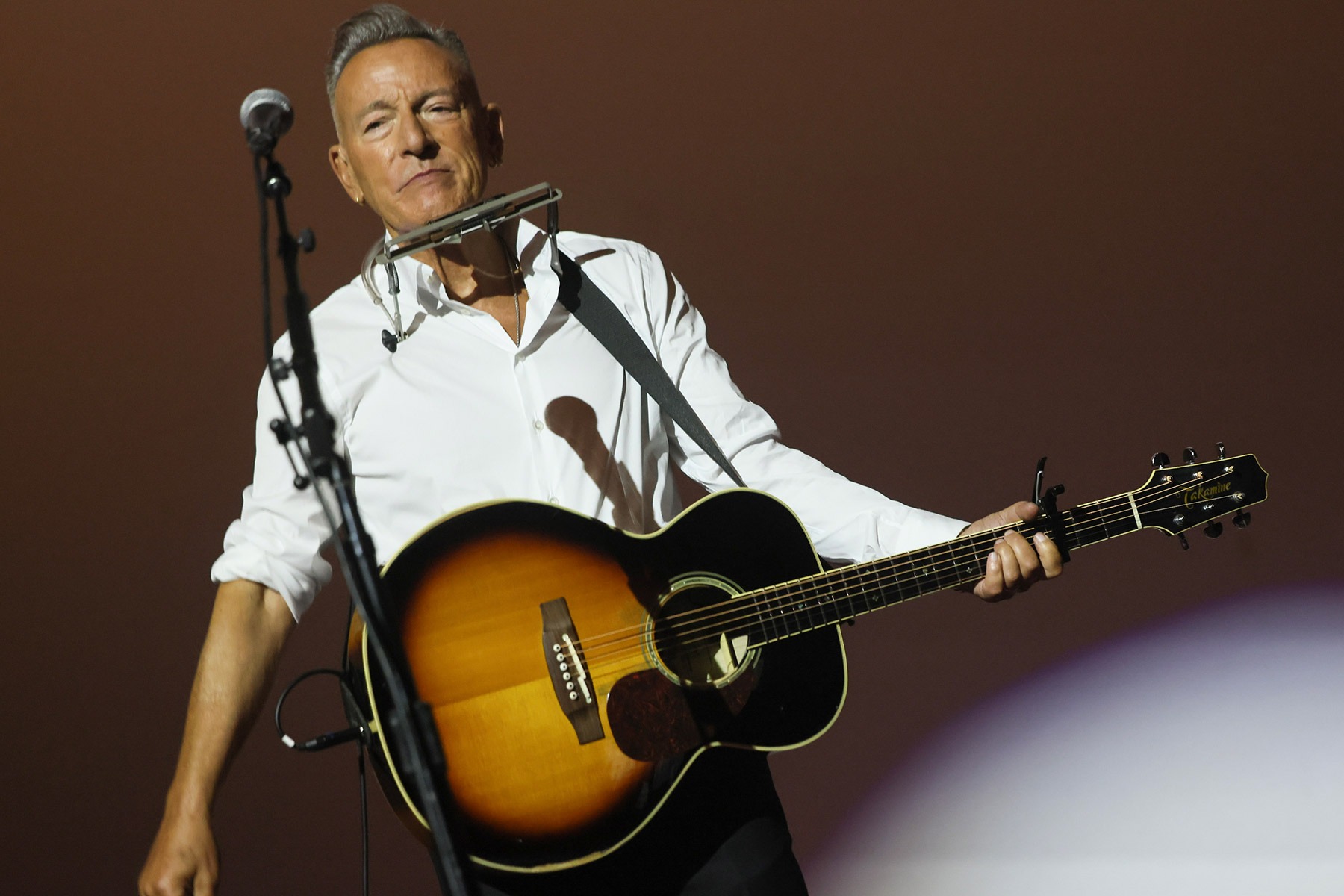
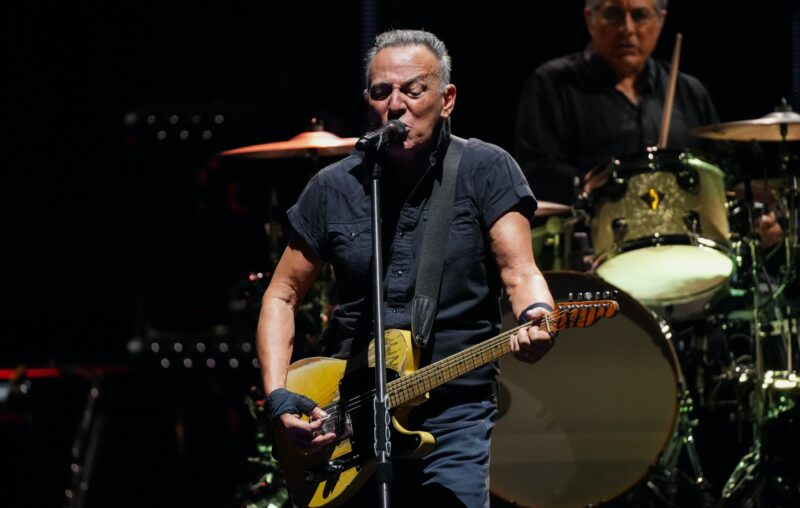
Bruce Springsteen political protest returned to center stage at Light of Day Winterfest in Red Bank. The 76-year-old icon made an unannounced appearance, reaffirming his role as rock’s conscience during turbulent times. He framed The Promised Land as an anthem for civic courage and accountability.
Political Protest
Introducing the 1978 classic, Springsteen addressed the Trump administration with uncommon bluntness. He argued American ideals face a severe stress test, invoking rule of law and public safety. His comments linked music’s moral authority to the present moment’s urgency, a lineage stretching from Guthrie to U2.
The Promised Land
Springsteen’s message targeted federal tactics he described as militarized and antithetical to democratic norms. He urged listeners to “send a message,” citing Minneapolis and invoking Renee Good by name. The Promised Land gained renewed force as a protest standard, reshaped by current events without losing its hopeful core.
Scene And Solidarity
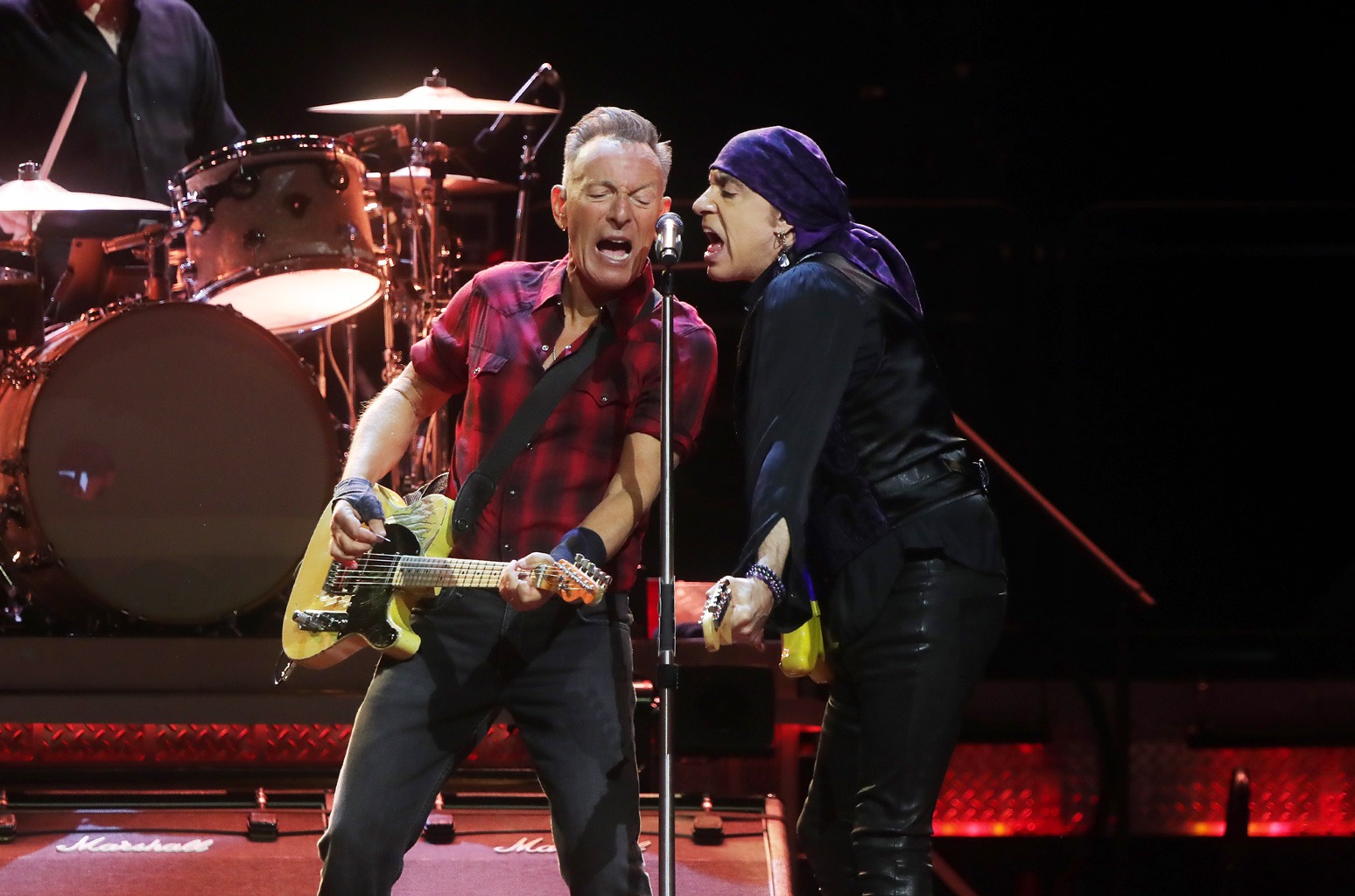
The benefit’s lineup reflected community strength as much as celebrity wattage. John Rzeznik, Dramarama, Willie Nile, Joe D’Urso & the Stone Caravan, James Maddock Band, Williams Honor, Fantastic Cat, and Low Cut Connie sustained the momentum. Light of Day’s mission remains steadfast, raising funds to fight Parkinson’s and related disorders.
Springsteen’s Protest
Springsteen’s remarks followed the fatal shooting of Renee Good by ICE officer Jonathan Ross in Minneapolis. Officials said she attempted to run over the officer; footage shows she tried to drive away moments before. Artists including Billie Eilish, Dave Matthews, and Duran Duran condemned ICE as Minneapolis mourned. Mayor Jacob Frey called for federal agents to leave, citing reckless use of power.
Legacy And Accountability
Springsteen has challenged Trump-era politics before, criticizing leadership and its social fallout in a 2025 interview. He traced discontent to deindustrialization and widening inequality, which created space for demagoguery. His stage comments extended that critique, arguing music must speak when institutions falter.
Why It Matters
Rock history repeatedly collides with civic life, and Springsteen embraces that tradition without hedging. The moment shows how legacy artists still galvanize discourse, not just nostalgia. As protest songs cycle back into rotation, The Promised Land resonates as both elegy and blueprint.
Closing Note
Springsteen’s political protest underscored music’s ability to frame grief, demand accountability, and rekindle collective resolve. The Boss reminded audiences that an old song can meet a new crisis, and still lead.