
Microsoft’s AI Vision
Microsoft is advocating for the widespread adoption of generative AI tools, claiming that they can significantly enhance productivity. The tech giant believes that integrating these tools into daily workflows could lead to a tenfold increase in efficiency. However, the reality within the gaming industry tells a different story. Many developers, including those at Microsoft’s own studios, remain hesitant to embrace these innovations fully.
Hesitation in Development
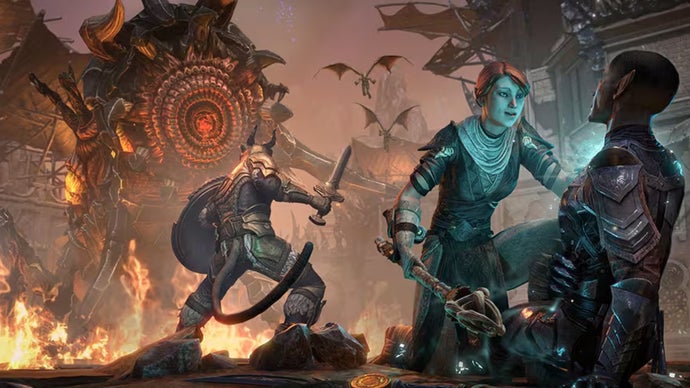
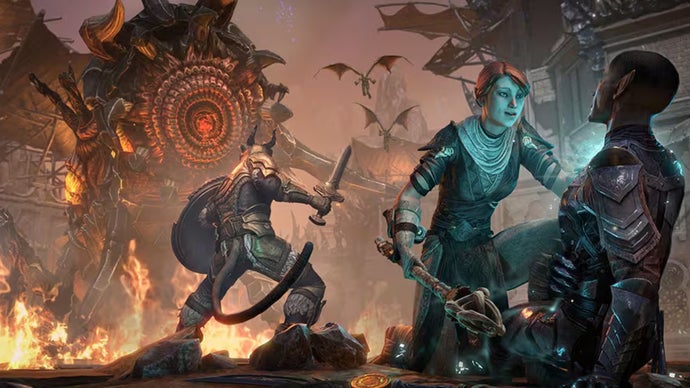
In a recent conversation with Susan Kath, executive producer of Elder Scrolls Online, it became clear that integrating generative AI into game development remains a complex challenge. While the team utilizes AI tools like Copilot for administrative tasks such as meeting summaries and inbox organization, they have yet to find a suitable application for creative processes like art, coding, or writing. Kath emphasized that the team is still exploring the potential of generative AI, stating, “I don’t know what our decision is going to be, because we’re still having conversations about where we go with that.”
This cautious approach reflects a broader trend in the gaming industry. Developers are weighing the benefits of AI against the potential risks and challenges. The creative nature of game development often requires a human touch, and many fear that AI could undermine the artistry involved in creating immersive experiences.

The Future of AI in Gaming
Despite the current hesitance, the conversation around generative AI is evolving. Microsoft has made significant investments in AI technology, and discussions within studios are likely to continue to grow. Kath noted that there are “strong opinions within the studio” regarding AI, suggesting the topic is not being dismissed outright. As the industry evolves, developers need to strike a balance between leveraging AI’s capabilities and preserving the integrity of their creative processes.
The potential applications of generative AI in gaming are vast. From procedural content generation to enhancing player interactions, the possibilities are intriguing. However, the industry must navigate the ethical implications and ensure that AI complements rather than replaces human creativity.
A Cautious Embrace
As Microsoft pushes for the integration of generative AI tools, the gaming industry remains in a state of cautious exploration. Developers like the Elder Scrolls Online team are still assessing how these technologies can fit into their workflows. While the promise of increased efficiency is appealing, the unique demands of game development require careful consideration. The future of generative AI in gaming will depend on how well studios can adapt these tools while preserving the artistry that defines their work. As conversations continue, it will be fascinating to see how the industry evolves in response to these emerging technologies.