
Surprise Confirmation
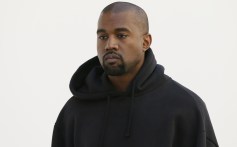
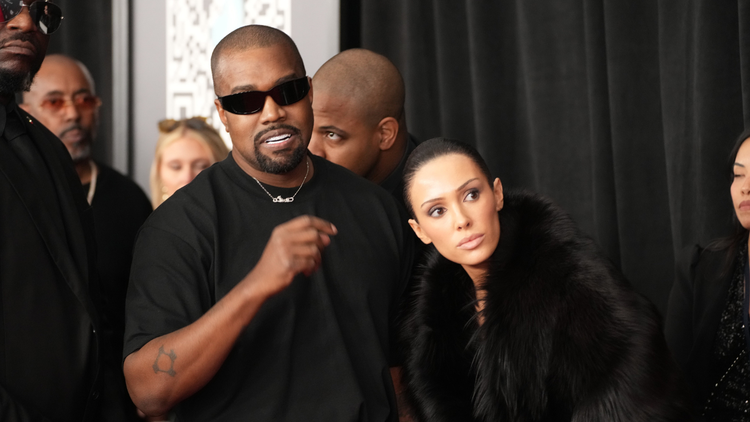
Kanye West’s BULLY album became more than a rumor during an unscripted moment at the Hollywood Improv. Deon Cole beckoned West onstage, where the rapper shyly acknowledged a “new album,” drawing laughs and a wave of speculation. The brief exchange, witnessed by Bianca Censori and longtime associate John Monopoly, revived an album cycle marked by elusive timelines and restless fandom. 
Onstage Banter
Cole worked the moment like a veteran, nudging West about genuine laughter, merch drops, and music timelines. The comedian floated an interlude cameo and teased a YZY care package, to which West grinned and played along. Their chemistry framed a rare glimpse of Ye outside controlled rollouts, reshaping a cryptic update into a public checkpoint.
Release Roadmap
Announced in September 2024, BULLY has weathered multiple missed 2025 dates. According to Spotify’s prerelease page, the album now targets a January 30, 2026, release. The pivot echoes Ye’s history of fluid deadlines, from The Life of Pablo edits to the iterative DONDA 2, which resurfaced on streaming in April after repeated “updates.” For fans, the timeline signals ambition, but also a familiar wait.

Cultural Stakes
Kanye West’s BULLY album arrives amid shifting release strategies where spectacle and scarcity shape attention. West’s pop-up confirmations, mixed with fashion crossovers, mirror broader artist playbooks leveraging virality over traditional campaigns. The interplay between stage spontaneity and platform teasers suggests BULLY will be unveiled as an evolving event rather than a fixed drop.
What It Means
If Cole’s interlude joke becomes reality, BULLY could fold comedy’s cadence into Ye’s abrasive, soul-bent futurism. The Hollywood Improv cameo underscores Ye’s comfort with liminal spaces—between stand-up and studio, confession and performance. As anticipation resets around 2026, the question is not only when BULLY lands, but how its rollout redefines an album’s lifecycle.
Checkpoint
Kanye West’s BULLY album speaks to a modern rollout in which updates become chapters and public moments serve as breadcrumbs. That improvisational energy mirrors a listener base trained to track snippets, leaks, and prerelease signals.
The Bottom Line
Saturday’s cameo was small but telling: an artist reasserting intent without oversharing details. Cole’s salute—“holding down Chicago”—situated the moment within a legacy still in motion. If the date holds, BULLY could open 2026 with one of hip-hop’s most scrutinized statements, where timing, spectacle, and sound collapse into a singular Ye narrative. Until then, the Kanye West BULLY album remains the industry’s most watched, maybe, edging closer to its appointed hour.