
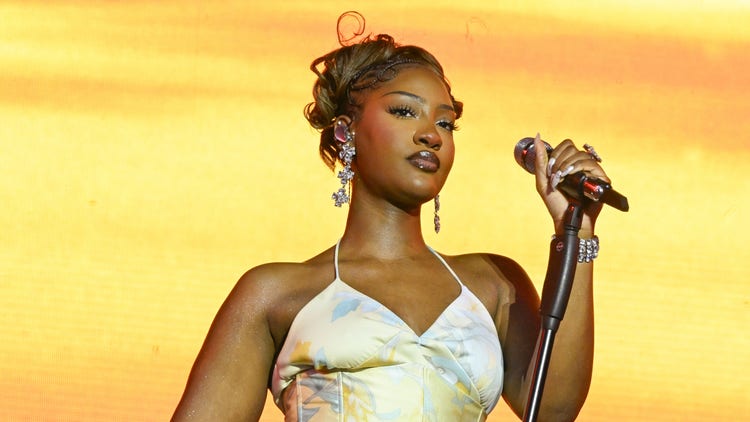
Charting Crossover
Tems’ anime influence continues to ripple through pop culture and music discourse. The Nigerian singer’s rise has been powered by genre fluidity, chart dominance, and a visual sensibility that nods to cinematic worlds. Her recent attention around anime fandom and ranking debates—especially orbiting Attack on Titan—shows how global stars now intersect with otaku culture, gaming aesthetics, and streaming communities.
Fandom Meets Charts
The conversation highlights how anime narratives shape musical identities. Tems has built an audience that values emotional storytelling, a hallmark of prestige anime like Attack on Titan. That alignment strengthens her cross-market appeal, translating streaming momentum into fan-driven discovery. As artists lean into narrative world-building, the overlap between binge culture and playlist culture grows tighter.
Tems Anime Influence
Tems’ anime influence mirrors a broader trend where R&B innovators borrow from cinematic scoring. Her vocal phrasing emphasizes atmosphere, similar to how anime soundtracks elevate mood and character arcs. When artists acknowledge anime in interviews or rankings, they unlock new community spaces. Those communities reward authenticity, boosting algorithmic reach and social engagement beyond standard music rollouts.

Rankings and Resonance
Rankings around series like Attack on Titan serve as cultural shorthand. They spark debates that pull musicians into larger storytelling ecosystems. For Tems, engaging those debates adds dimensions to her artistry without sacrificing musical focus. It reflects a generation of performers who understand the value of niche fluency and global curiosity.
Discovery Pipeline
Anime fandom is a discovery pipeline. Sync moments, fan edits, and AMV culture have long propelled songs into virality. Tems is well-positioned for these cycles, given her moody production choices and vocal clarity that rides cinematic textures. Labels increasingly court these spaces, treating fandoms as strategic partners rather than peripheral markets.
The Bigger Picture
Tems’ anime influence underscores the future of pop borders. In a world where taste graphs outpace genre boxes, artists who speak fluent internet culture win. The conversation around anime rankings is not a diversion; it is a signal. It shows how music careers now flourish at the intersection of narrative worlds, social platforms, and global subcultures. Expect more artists to fold anime aesthetics into rollouts, merch, and stage design—meeting fans where worlds collide.