Ubisoft’s Troubling Decisions
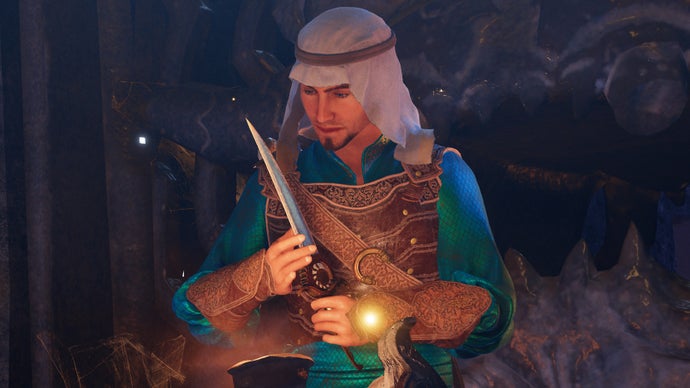
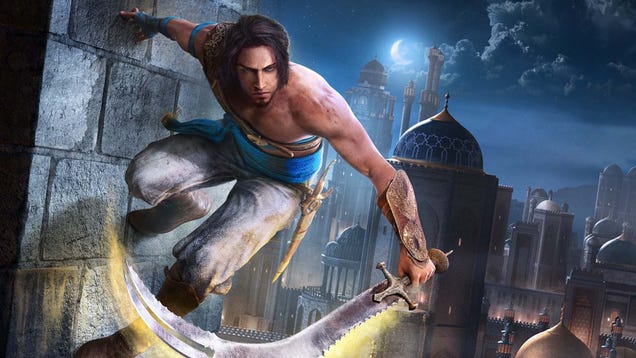
Last month, Ubisoft made headlines by cancelling several games, most notably the long-awaited remake of *Prince of Persia: The Sands of Time*. This decision is part of a broader restructuring effort within the company, which has raised concerns among fans and industry insiders alike. The cancellations have put approximately 200 jobs at risk at Ubisoft’s Paris headquarters, leading to significant unrest among employees. The situation has escalated to the point where a call for an international strike has emerged, highlighting the growing dissatisfaction within the company.
Industry Impact
The cancellation of *Prince of Persia: The Sands of Time* remake is particularly disheartening for fans who have eagerly anticipated its release. This title holds a special place in gaming history, celebrated for its innovative gameplay and storytelling. The remake was expected to breathe new life into the franchise, but now it seems that Ubisoft’s internal challenges have overshadowed its potential. The decision has sparked discussions about the future of beloved franchises and the impact of corporate restructuring on game development.
Jordan Mechner, the original creator of *Prince of Persia*, has expressed his sympathy for the developers affected by this cancellation. His comments resonate deeply with the gaming community, highlighting the emotional investment developers pour into their projects. The cancellation not only affects the financial aspects of game development but also the morale of those who dedicate their creativity and passion to these titles.