A Spectacle
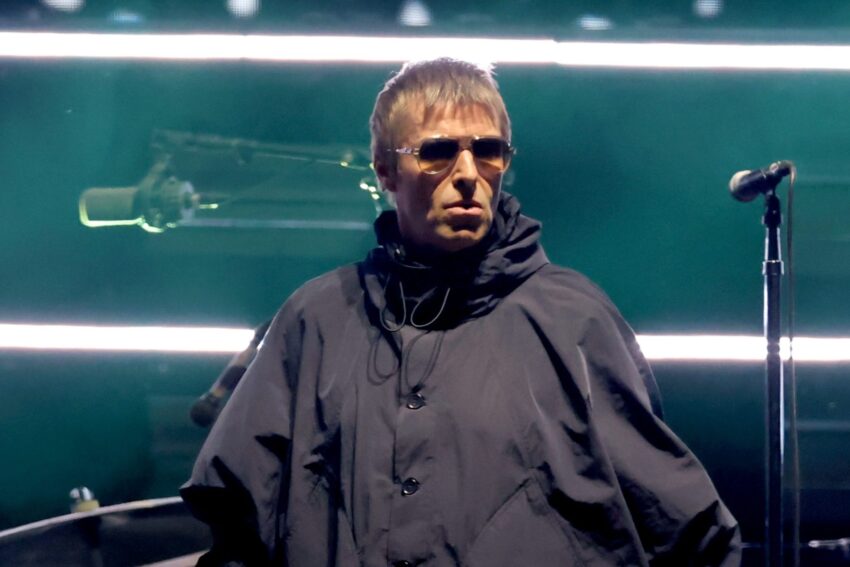
The inaugural World Cup halftime show arrived with global star power and controversy. World Cup halftime show discourse erupted as Liam Gallagher dismissed the 11-and-a-half-minute production as “a bad trip,” posting his reaction on X during Spain-Argentina at New York New Jersey Stadium. His blunt take framed an ambitious, celebrity-stacked intermission curated by Coldplay’s Chris Martin, fusing pop, orchestral grandeur, and nostalgic TV icons.
Star-Studded Mosaic
Madonna opened with her 2000 Hot 100 No. 1 “Music,” setting a legacy tone before swift pivots to BTS, Justin Bieber, Shakira, Burna Boy, and more.  Gustavo Dudamel led members of the New York Philharmonic and Venezuela’s Simón Bolívar Symphony through The White Stripes’ “Seven Nation Army,” scoring worldwide terrace culture with symphonic thunder. Shakira and Burna Boy delivered “Dai Dai,” the official World Cup anthem and current Global 200 chart-topper, while BTS fired off “Dynamite.” Bieber countered with restraint, offering an acoustic “Everything Hallelujah.”
Super Bowl Playbook
World Cup halftime show ambitions clearly nodded to the NFL model, baking pop spectacle into the broadcast’s core. The finale gathered the PS22 Chorus, Martin, and the Muppets—Kermit and Miss Piggy—around a giant LOVE formation and fireworks. The production’s variety-show pacing chased universal appeal, packaging stadium chants, chart hits, and family nostalgia into a single, globalized segment.
Gallagher’s Barometer
Gallagher doubled down with humor, crediting “spiritual socks” for surviving the trip, an on-brand crack from rock’s sharpest heckler. His verdict lands as Oasis reclaim stadium scale with OASIS LIVE ’25 across multiple continents. The band’s anthems—“Wonderwall,” “Don’t Look Back in Anger”—already pulse through football culture, suggesting his skepticism targets television maximalism more than sport-music communion itself.
Culture And Calibration
World Cup halftime show inventiveness shows FIFA testing a permanent entertainment pillar. The orchestral “Seven Nation Army,” anthem-of-terraces by design, bridged pop pageantry and supporter culture more organically than some mashups. The challenge ahead is calibration: honoring football’s in-match tension while delivering global pop moments that feel essential, not intrusive. When executed with clarity of theme and tighter narrative arcs, this platform could birth era-defining performances rather than polarizing variety.
The Takeaway
The debut was messy, ambitious, and undeniably consequential. If FIFA learns from pacing and cohesion—and taps the terrace canon with fresh artistry—the format can thrive. Gallagher’s barb underscores a core truth: football crowds value authenticity over overload. The next edition should trust fewer, bolder ideas that let songs breathe at stadium scale. World Cup halftime show potential is real; the world will judge its evolution as sharply as its debut.