
To Protect And Evolve The Sound
Nicole Moudaber techno is not a slogan or a trend line. It is a living framework that has grown around an artist who treats the genre as both culture and craft. In an era when electronic music can be flattened into lifestyle marketing, Moudaber’s work is often described in terms of stewardship: protecting what makes techno matter, while insisting it can still change.
That idea sits at the center of the MOOD ecosystem she has built. Under the MOOD brand, she operates MOOD Records, hosts and curates In The MOOD Radio, and has expanded her wider community-facing activity through MoodCollective. These projects are not side hustles. Together they form a set of tools designed to keep techno’s identity intact, even as scenes shift and business pressure mounts.
For Best Beats listeners, the point is not to crown another gatekeeper. The point is to understand how a working DJ and producer uses real-world platforms—label releases, radio programming, and collaborative networks—to influence what gets heard, who gets supported, and what values get reinforced.
Nicole Moudaber Techno and The Question of “Protection”
To talk about protecting techno is to admit that techno can be diluted. The genre’s best-known history is also its most fragile. Techno began as a focused, futuristic sound, but the global dance industry has often tried to repackage it as a look or a shortcut to credibility.
Moudaber’s public profile is built on playing rooms and festivals worldwide, but the bigger story is the infrastructure. A label can keep artists from being swallowed by one-size-fits-all release cycles. A radio platform can model what the sound means in real time, week after week. A collective can connect artists and fans in ways that outlast a single tour run.
That is why the MOOD brand matters. It is a way of putting taste into practice. It is also a way of asserting that techno is not just a set of BPMs. It is a community with memory.
From Nigeria-born to London-based: The Roots of a Global Perspective
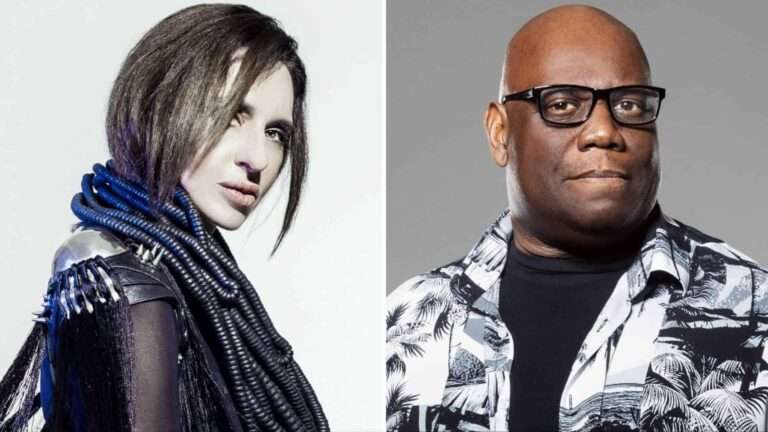
The broad outlines of Moudaber’s story are often repeated because they matter. She was born in Nigeria and later moved to London, where she became immersed in the city’s electronic music scene. That biographical arc helps explain why her approach to techno resists narrow definitions.
London is a place where scenes overlap and re-form quickly. It is also a city where dance music can be both underground and heavily mediated by industry. Coming up in that environment can teach an artist how to distinguish between hype and longevity.
Moudaber’s rise to prominence is closely associated with the early 2010s, when her tracks and sets found a durable place on dance floors. The timing matters. That period saw techno become more widely visible again, but it also saw increased commercial pressure. For artists who cared about the sound, the task became balancing access with integrity.
MOOD Records as an Artist-First Platform
MOOD Records is one of the clearest expressions of Moudaber’s philosophy. According to the available context, the label functions as a platform for both established and emerging artists. That matters for two reasons.
First, a label that releases more than one “type” of techno can keep a scene from collapsing into a single template. Techno has always contained multitudes: different textures, different moods, different regional accents. A curated label can highlight that diversity without turning it into a branding exercise.
Second, artist development is a long game. Emerging artists rarely benefit from short bursts of attention followed by silence. A label run by an active DJ can offer something more practical: a sense of how tracks actually land in clubs, how they translate across systems, and how they sit next to other records in a set.
MOOD Records, in that sense, is part A&R and part field report. It is a place where taste is tested in public. The goal is not to freeze techno in amber. It is to keep its standards alive.
MOOD Radio: The Craft of Weekly Curation
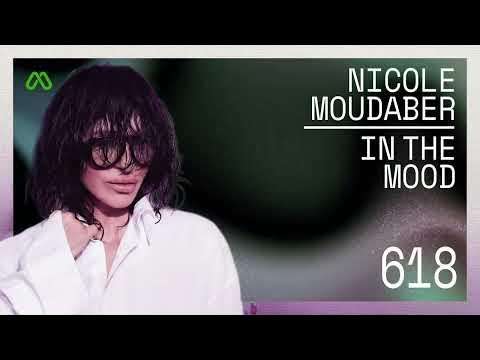
MOOD Radio is the other major pillar of the ecosystem. The available context describes it as a vital outlet for Moudaber to showcase her musical vision and connect with fans, including mixes that highlight both her own work and that of her label’s artists.
Radio, even in its modern syndicated and on-demand forms, does something that playlists rarely do. It tells you why a track belongs. It creates a narrative arc. It can introduce unfamiliar names without forcing them to compete with algorithmic comfort.
For techno, that is important. The genre is often best understood through transitions, tension, and release. A DJ mix can show how a tool becomes a story. A radio platform can also present consistency, which is a kind of trust-building: listeners return because they believe the selector will not waste their time. Moudaber’s programming role therefore becomes a public version of what DJs have always done in private. She’s shaping attention. She’s also signaling which sounds deserve deeper listening.
The Value of Community
“I’ve always had a deep-rooted love for house and tech house, and MOOD Collective is my way of creating space for that passion to thrive.”
The MOOD brand also includes Mood Collective. The available brief positions it as part of a broader push for community engagement and collaboration.
Collectives can mean many things. Some are informal friendship circles. Others are structured networks that pool resources. MoodCollective represents an effort to keep techno social, not just transactional.
Dance music economies can encourage isolated “content” creation. Clubs can become backdrops for individual brands. Against that, a collective framework can emphasize the opposite: shared discovery, shared momentum, and accountability to a scene.
What makes this significant is not that it is new. It is being resourced and foregrounded by an artist whose calendar could easily be filled with only headline appearances.
Authenticity Versus Commercial Pressure
Any conversation about Techno or House in the 2020s and beyond runs into the same tension. The music’s visibility is a victory, but it also brings pressure to simplify. Commercial incentives can reward safe repetition. They can also reward aesthetics that look “underground” while functioning as mass-market product.
Moudaber’s approach is defined by an attempt to navigate that tension. The language used—protecting the essence of techno while evolving its sound—points to a practical strategy.
Protecting the essence is not about policing who belongs. It is about maintaining standards of intent and execution. It is about valuing the long mix, the patient build, the physical impact of a well-designed track. It is also about remembering that techno’s power often comes from restraint.
Evolving the sound, meanwhile, means refusing nostalgia as a business plan. It means allowing new influences and technologies to enter the room without replacing the genre’s core discipline. The balance is delicate, and it has to be performed in public.
A Global DJ, a Local Ethic
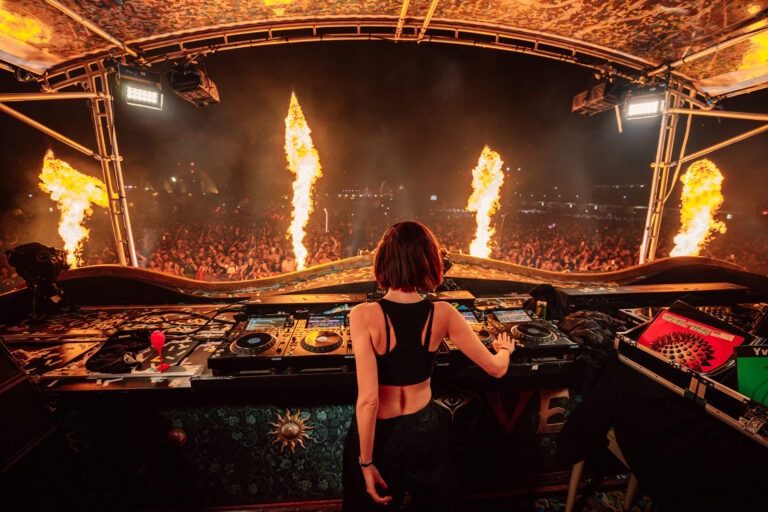
Moudaber is described as a DJ who has headlined major festivals and events globally. That international profile can tempt an artist toward generic crowd-pleasing. Yet the MOOD ecosystem suggests a different approach.
A label, a radio show, and a community platform are all forms of local ethic. Even if the audience is worldwide, the mindset is grounded. These are spaces where you can make specific decisions: which artists to feature, which tracks to champion, which sounds to return to.
In a scene where visibility can be fleeting, the ability to create repeatable context is power. In The MOOD Radio does that by keeping a consistent channel open. MOOD Records does it by building a catalog that can be revisited. MoodCollective does it by positioning techno as a shared project.
Representation and Inclusivity
The direction also drives Moudaber’s advocacy for inclusivity within the techno community, with emphasis on representation and diversity. That is worth treating as more than a talking point.
EDM’s history includes both radical openness and real barriers. Lineups have often failed to reflect the breadth of the culture. Media narratives have often narrowed the field of who gets credited and who gets invited.
A label can counter that by broadening who gets a platform. A radio show can counter it by normalizing variety in the weekly soundscape. A collective can counter it by building relationships that are not dependent on gatekeeping.
Advocacy, in this view, is not separate from curation. It is embedded in who gets to be heard.
What the MOOD Signals in 2026
The context brief frames Moudaber, as of 2026, as having established a multifaceted empire under the MOOD brand. The word “empire” can sound inflated in dance music. Here, it seems to refer to the scale and integration of her initiatives.
The significance is not about size for its own sake. It is about resilience—scenes change. Promoters change. Platforms rise and fall. But a connected set of outlets can keep an artistic vision legible across those shifts.
For listeners, that means you can track an ethos, not just a discography. If you like the way a certain set builds, you can follow it into label releases. If you like a label’s mood, you can hear it reflected in radio programming. If you like the community around it, you can look for collaborative extensions.
It is also a model of how artists can respond to the modern attention economy without surrendering to it. Instead of chasing every new format, Moudaber’s structure emphasizes continuity. The point is to keep techno’s language being spoken fluently.
Where This Leaves The Listener
For Best Beats listeners who love techno, the practical takeaway is simple. Pay attention to infrastructure, not just peaks. Headline slots are easy to measure. The harder work is building systems that support taste, talent, and continuity.
MOOD Records is one system. MOOD Radio is another. Mood Collective is a third. The combined effect is a reminder that music we all love is not protected by slogans. It is protected by choices made over time: what gets released, what gets played, and what kind of community gets nurtured.
In any discussion about legacy, the same question returns. Does the music still feel alive? In this framework, Nicole Moudaber is a case study in how to answer yes—by keeping the genre’s core values in circulation, while giving new ideas room to hit the floor.