
Court Ruling
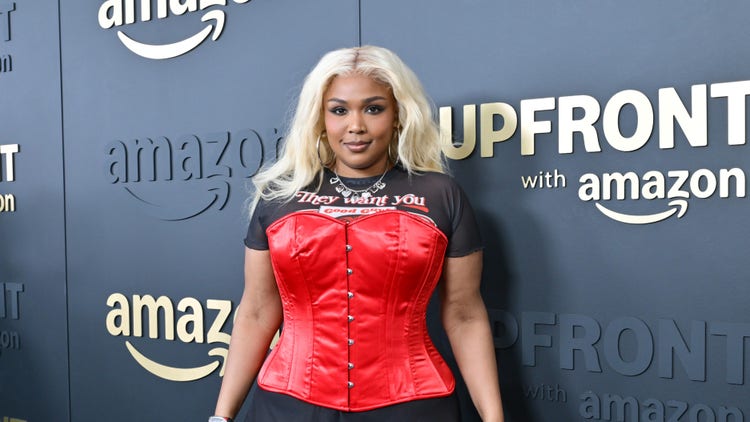
The Lizzo lawsuit update took a decisive turn this week as a judge dismissed fat-shaming allegations. The decision removed a headline-grabbing claim from the broader case against the Grammy winner. A Superior Court judge ruled that dancer Arianna Davis’ firing was justified due to secret recordings, not weight gain. Other claims, including harassment and hostile workplace accusations, remain active.
Lizzo Responds
Lizzo addressed the ruling on social media, sharing a video statement with text over a static frame. She said the fat-shaming claims had “no merit” and insisted she never fired anyone for gaining weight. She cited Davis’ private recording and distribution to former employees as the cause for termination. “I am not settling,” Lizzo wrote, vowing to fight the remaining allegations until “the truth is out.”

Ongoing Litigation
This Lizzo lawsuit update does not end the legal story. The court denied efforts to strike significant portions of the dancers’ case, according to the plaintiffs’ attorney. Claims of false imprisonment and harassment still stand, alongside allegations of a hostile work environment and sexual harassment. Lizzo and Big Grrrl Big Touring remain named in the case as proceedings continue.
Industry Context
The case arrives during a cultural reexamination of power dynamics in touring ecosystems. Pop tours rely on dancers and crews who navigate intense schedules, blurred boundaries, and complex HR structures. As more artists run boutique companies, accountability and workplace policies face growing scrutiny. For Lizzo, whose brand champions body positivity, these claims have intensified public debate.
Reputation Stakes
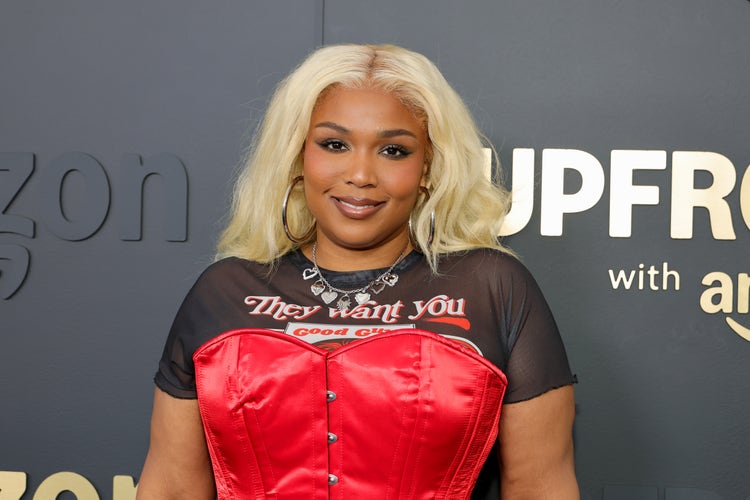
Public perception often moves faster than legal outcomes, particularly for high-profile pop figures. Lizzo’s body-positivity platform and mainstream dominance raise the stakes of every procedural turn. The dismissal of fat-shaming claims may recalibrate discourse around intent, policy, and proof. Yet unresolved allegations keep the narrative unsettled, inviting careful attention to future filings and testimony.
What Comes Next
Expect discovery and pretrial motions to shape the next chapter, with both sides signaling resolve. The court’s mixed decisions suggest a fact-heavy case where context will matter as much as conduct. As the industry watches, this Lizzo lawsuit update underscores how star-led companies must formalize boundaries. Music’s touring economy increasingly demands clarity, documentation, and humane standards to protect both artistry and labor.
Bottom Line
A key claim is gone, but the legal fight is far from finished. The Lizzo lawsuit update highlights the gap between social narrative and courtroom standards. As proceedings continue, the outcome may influence best practices for artist-run operations. The music community will be watching how accountability, culture, and evidence ultimately intersect.