
Chart-Topping Debut
Bruce Springsteen’s Streets of Minneapolis impact arrives with rare urgency. In just two tracking days, the song sold 16,000 downloads, debuting at No. 1 on Billboard’s Digital Song Sales chart dated Feb. 7. Released Jan. 28, the track underscores how rapidly a timely protest song can mobilize a core fanbase and cut through a crowded release cycle.
Historic Milestone
This marks Springsteen’s first No. 1 on the all-format Digital Song Sales survey since it launched in 2004. It is also his first entry to crack the list’s top 20, outpacing his 2024 appearance on Mark Knopfler’s Guitar Heroes charity single, Going Home (Theme From Local Hero), which peaked at No. 22. The shift hints at a renewed appetite for artist-driven statements that arrive outside traditional album rollouts.
Streets of Minneapolis Impact
Attention around the song stems from its subject matter. Springsteen wrote and recorded the anti-ICE track after the January deaths of Renée Good and Alex Pretti in Minneapolis amid Operation Metro Surge, which targeted undocumented immigrants. The Boss channels long-held protest traditions, pairing narrative detail with moral clarity, and delivering a modern folk-rock dispatch that resonates beyond his usual rock audience.

Live Catalyst
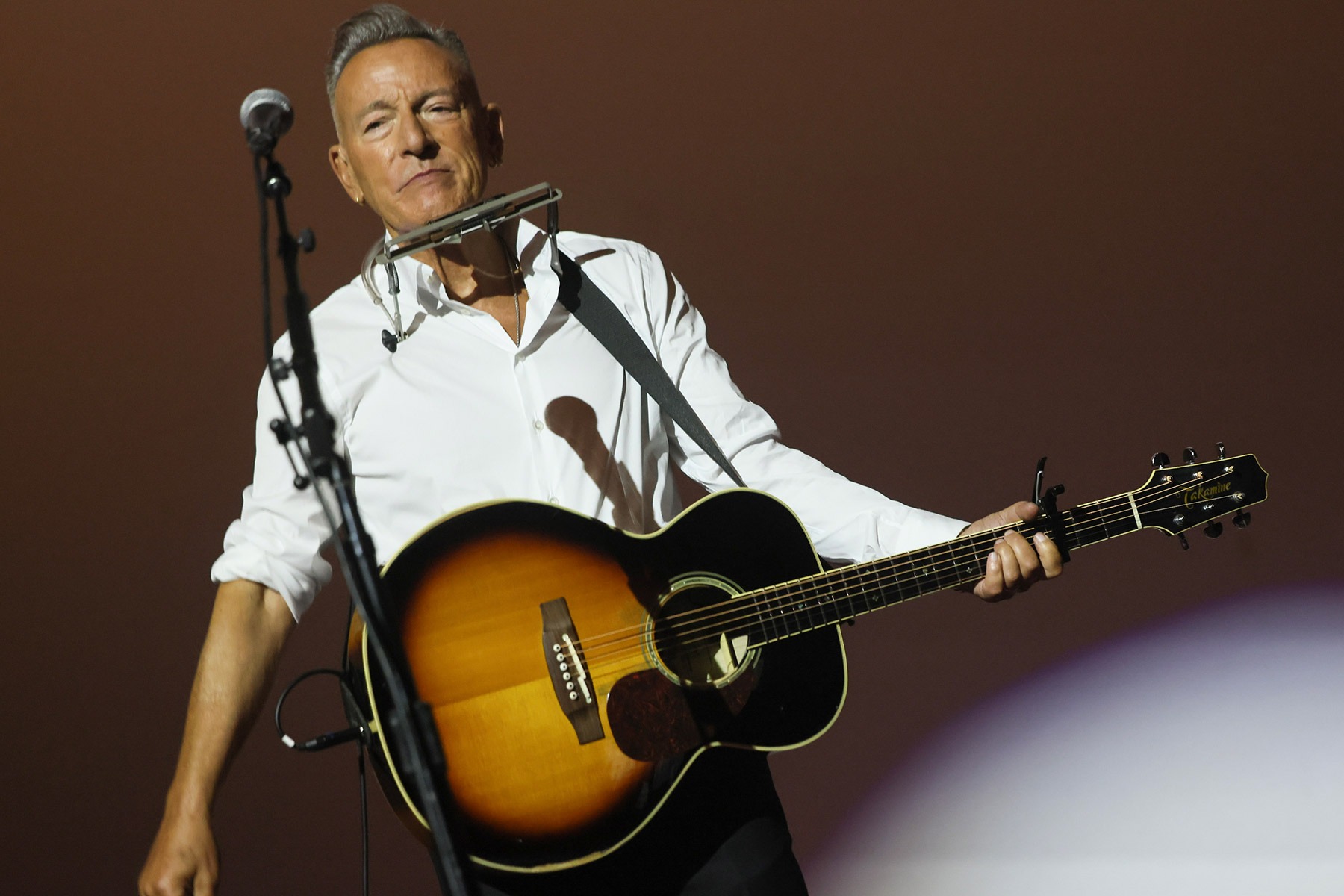
Springsteen premiered the song live on Jan 30 at the Defend Minnesota benefit, helmed by Tom Morello. The performance framed the track as part of a community response, linking Springsteen’s storytelling to activist networks that increasingly shape release strategies. Moments like these extend a song’s half-life, converting headlines into sustained cultural attention.
Early Metrics, Broader Trend
Beyond sales, the track opens at No. 20 on Hot Rock & Alternative Songs thanks to 678,000 U.S. streams and 175,000 in early airplay audience during its two-day window. Those multimetric gains show how protest songs now travel: direct downloads, algorithmic boosts, and the all-important radio play. Expect fuller data next week, when the Feb 14 charts reflect a complete Jan 30–Feb 5 tracking period.
Resonance and Reach
Streets of Minneapolis impact aligns with a broader pattern where veteran artists leverage digital storefronts for rapid-response releases. These songs thrive on narrative urgency and fan mobilization rather than months of setup. The result is a fast, measurable chart footprint that reinforces the genre-agnostic appeal of socially engaged music.
Looking Ahead
All Billboard charts dated Feb 7, updated Tuesday, Feb 3, set the baseline. With a whole week to register, Springsteen’s standing could shift, revealing how far a protest single can extend beyond a loyal community and into the mainstream. Either way, the impact of the Streets of Minneapolis already marks a consequential moment in the evolving playbook of musical activism.