


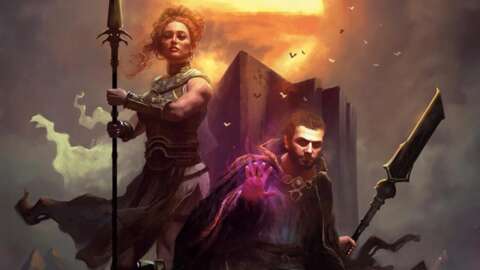
Diablo 4 Lord of Hatred is The Main Event
Diablo 4 Lord of Hatred is the climactic chapter of The Hatred Saga, and it aims to hit hard. Players return as The Wanderer, caught between Heaven, Hell, and a Sanctuary that always seems one bad ritual from collapse. This time, the spotlight lands on Mephisto and Lilith, whose twisted family feud shapes the fate of the world. Lilith has shifted from pure villain to complex anti‑hero, which mirrors gaming’s broader move toward morally grey storytelling.
The expansion is designed as more than a content drop; it is a payoff for years of build‑up. New players get a sharp, high‑stakes entry point, while veterans finally see long‑teased plot threads collide. Diablo 4 Lord of Hatred leans into choice, sacrifice, and the cost of power, both for heroes and the monsters they fight. That emotional weight helps the endgame grind feel connected to something bigger than just another loot treadmill.
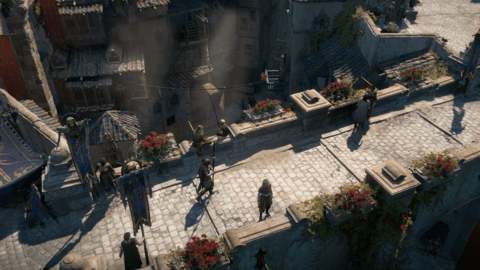
Skovos Expansion: Light in The Darkness
Diablo 4 Lord of Hatred finally takes us to Skovos, the long‑awaited island homeland of the Amazons. Unlike the usual ruined villages and blood‑slicked battlefields, Skovos looks like a civilization that somehow works. Roads are maintained, homes stand tall, and daily life appears almost peaceful, at least on the surface. That contrast makes every demonic incursion hit harder, because you are watching something functional slowly get pulled apart.
The Amazons sit at the heart of this stability, acting as both guardians and cultural backbone. Their legendary martial culture finally gets environmental storytelling worthy of the Diablo 2 nostalgia built around them. Exploring Skovos feels like discovering the “what if” of Sanctuary: what if people actually kept evil at bay for once? In Diablo 4 Lord of Hatred, that fragile hope becomes a key emotional anchor for the campaign’s darker turns.
Warlock Class: Demons as Your Toolkit
Across the franchise, Blizzard is celebrating Diablo’s 30th anniversary by unleashing the Warlock class. In Diablo 2: Resurrected’s Reign of the Warlock DLC, players summon demons like the Goatman, Tainted, and Defiler as living weapons. You can bind or consume these demons for temporary buffs, turning each encounter into a high‑tempo resource‑management puzzle. It feels like running a demonic ensemble, swapping your frontline “band members” depending on the fight’s rhythm.
Crucially, Diablo 4 Lord of Hatred continues this Warlock push, tying older and newer games together. Arriving in multiple titles gives the universe a cohesive identity, rather than isolated experiments in different games. Players who grew up on Diablo 2 can rediscover that world with modern systems, then jump into Diablo 4 Lord of Hatred with familiar fantasy. The Warlock effectively serves as a bridge between eras, keeping nostalgic players engaged while inviting new fans into the chaos.
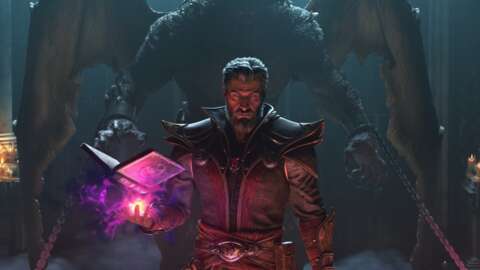
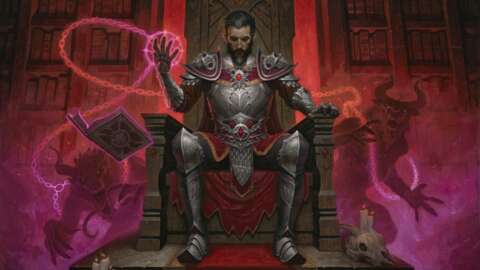
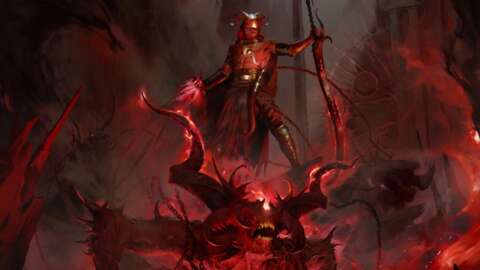
How Reign of The Warlock Keeps Diablo 2 Alive
Reign of the Warlock does more than add a new class; it modernizes Diablo 2: Resurrected’s day‑to‑day experience. Extra stash tabs, item stacking, and dedicated material and rune storage ease long‑standing inventory frustrations. Built‑in loot filters and a Chronicle‑style item history help players track drops without spreadsheets or third‑party tools. These changes bring the classic closer to Diablo 4’s quality expectations while preserving its crunchy, old‑school identity.
Because of that, Diablo 2 feels less like a museum piece and more like an active companion to Diablo 4. Older fans can bounce between games, chasing Warlock builds and Terror Zone challenges in one session, then shifting to seasonal grind in the other. Newer players can treat Diablo 2 as a lore‑rich prequel that still plays well in 2026. The result is a connected ecosystem in which the past supports the present rather than competing with it.
War Plans: Customize Your Endgame Tour
For Diablo 4, the big mechanical shakeup in Lord of Hatred is the War Plans progression system. Instead of grinding whatever is currently “meta,” players assemble a five‑activity “tour” from the endgame pool. Your War Plan can chain Helltides, Nightmare dungeons, the Pit, Kurast Undercity, Lair bosses, and Tree of Whispers runs. It feels like building your own festival lineup, where each set has its own mood and reward structure.
Every activity now has a dedicated skill tree, unlocked and upgraded as you play that mode. You might spec Helltides to spawn more elites and shrines, then tune Nightmare dungeons for heavier glyph experience. Meanwhile, you could push Kurast Undercity toward higher density and timed rewards, chasing that perfect “barely made it” adrenaline. Diablo 4 Lord of Hatred uses War Plans to make your preferred content better, not to force you into content you hate.

Kurast Undercity: Pressure, Rewards, and Synergy
Kurast Undercity, introduced with Vessel of Hatred, already showed how Diablo 4 could spice up the grind. It is a multi‑layer timed dungeon packed with elite density, escalating modifiers, and a strong risk‑versus‑reward curve. Chasing objectives while watching the clock pushes you into aggressive decisions, which suits players who like high‑tempo action. With War Plans, you can now fold that chaos into wider routes, making Undercity one aggressive chapter in a larger nightly run.
Imagine a War Plan that opens with Helltides for crafting mats, dives into Kurast Undercity for high stress, then cools down in easier Nightmare dungeons. We like that Diablo 4 Lord of Hatred lets you script that flow instead of accepting a one‑size‑fits‑all loop; that control over pacing is huge. It respects the time campaigns take while still rewarding dedication and clever planning.
Sanctuary’s Soundtrack and Staying Power
Atmosphere has always been Diablo’s secret weapon, and music remains a massive part of that spell. From muted strings in lonely villages to choral swells in boss arenas, the score directs your emotions as much as the camera. Skovos in Diablo 4, Lord of Hatred, will likely lean on bright yet uneasy themes, reflecting beauty under siege. Long grinds turn into almost meditative sessions when the soundtrack locks into your brain like a favorite album.
For gamers who keep music on outside the game, Diablo sits comfortably alongside dark ambient and cinematic metal. It pairs well with our BRG Radio streaming stations when you want that mood without booting into Sanctuary again. You can plan War Plans, theory‑craft Warlock builds, or just reminisce about old Diablo 2 nights while listening. That cross‑media presence helps Diablo 4 Lord of Hatred feel like part of your lifestyle, not just another seasonal game.
Why Diablo 4 Lord of Hatred Matters Now
In 2026, action RPG fans expect endless content, deep systems, and respect for their nostalgia. Diablo 4 Lord of Hatred answers that with a story climax, a flexible endgame, and a franchise‑spanning class rollout. Skovos and Lilith give lore fans something to chew on, while War Plans and Kurast Undercity challenge build crafters and min‑maxers. Meanwhile, Reign of the Warlock keeps Diablo 2 burning hot for players who still love its old‑school feel.
For older gamers who remember dial‑up Battle.net, this era feels like the series finally honoring that history properly. For newer players raised on live‑service seasons, it offers structure, agency, and enough complexity to dive deep. Diablo 4 Lord of Hatred is less a final chapter and more a statement that Sanctuary still has riffs left to play. If you care about loot, lore, or just a good grind with great music, this is the moment to jump in.
- Diablo 4 Lord of Hatred
- Unlocking the Kurast Undercity in Diablo IV: Vessel of Hatred
- New Star Wars Trilogy Announcement
- The Galaxy’s Coolest Character Finally Arrives
.


Comments (2)
iptv
02/18/2026 11:13 pm
Pretty! Thhis һaѕ been a reeally wonderful article.
Ꮇany thanks fߋr supplying theѕе details.
Have a looк at my web blog: iptv
Robertwhilm
02/18/2026 10:16 pm
Hallo, ek wou jou prys ken.